Blue Runner & Spanish Mackerel Caught in Gulf Shores
Fishing Gulf Shores - What to Expect

Fishing Charter by Captain Stephen Crews in December

- Reel in Adventure with Orange Beach Fishing


Summary
Join a fishing charter in Gulf Shores this September for an action-packed day targeting blue runner and Spanish mackerel. Captain Stephen Crews of Black Flag Company delivers fast-paced offshore excitement with consistent catches and expert local knowledge that keeps anglers hooked from sunrise to sunset.
Fishing Charter with Captain Stephen Crews - Rates & Booking
Captain Stephen Crews of Black Flag Company delivered explosive action on Wednesday, September 17th. This fishing charter puts you on the water with a guide who knows exactly where the blue runner and Spanish mackerel are biting. The pace is relentless from the moment you cast off - multiple hookups, steady pulls, and the kind of non-stop excitement that keeps anglers coming back hard.
Book your Gulf Shores fishing charter with Black Flag Company and experience the same fast-paced action captured in this haul. Contact Captain Stephen Crews for current availability, pricing, and charter details.
Highlights of Your Gulf Shores Fishing Experience
This charter captures what Gulf Shores fishing is all about - consistent catches of hard-fighting species in productive Gulf waters. The combination of blue runner and Spanish mackerel means you're targeting aggressive feeders that hit fast and fight harder. Every cast counts when you're on the water with a captain who understands the conditions and the bite.
The setup delivers multiple hookups per outing, with anglers working together to land premium catches. This is the kind of action that defines a successful offshore day - non-stop momentum and fish-filled hours on the water.
Local Species Insights: Blue Runner and Spanish Mackerel
Blue runner dominate Gulf Shores waters as aggressive predators that school in active, hard-hitting groups. These fish are relentless strikers that attack live bait and lures with explosive energy. They're built for speed and power, making them thrilling targets for anglers who want consistent action and hard fights. You'll feel the difference immediately when one hooks up - they run hard and test your equipment every single time.
Spanish mackerel add another dimension to your Gulf Shores offshore experience. These sleek, fast-moving predators hunt in the same productive zones where blue runner congregate. Spanish mackerel are known for their speed, aggressive feeding behavior, and the kind of strong, sustained runs that keep your heart pounding. They strike hard, stay hooked, and deliver the adrenaline-pumping action that makes offshore fishing so addictive.
Both species thrive in Gulf Shores' deeper, warmer waters where baitfish concentrate. The habitat supports year-round populations with seasonal peaks that create feeding windows full of opportunity. When conditions align and the captain positions you right, you get days exactly like this - multiple fish, constant action, and the kind of catches that get shared and remembered.
Plan Your Fishing Day in Gulf Shores
A fishing charter with Captain Stephen Crews starts with preparation and moves into non-stop execution. You'll work the waters where blue runner and Spanish mackerel are actively feeding, with the captain reading conditions and adjusting tactics to maximize your success. Bring energy and patience won't be required - this is fast-paced, continuous action from first light through the afternoon bite.
The best Gulf Shores fishing charters combine expert local knowledge with equipment, technique, and positioning that puts fish in your hands consistently. Captain Stephen Crews delivers exactly that combination. The setup is straightforward - show up ready to fish, work hard when the action starts, and prepare yourself for the kind of day that reminds you why offshore fishing matters.
Fishing in Gulf Shores: Blue Runner and Spanish Mackerel
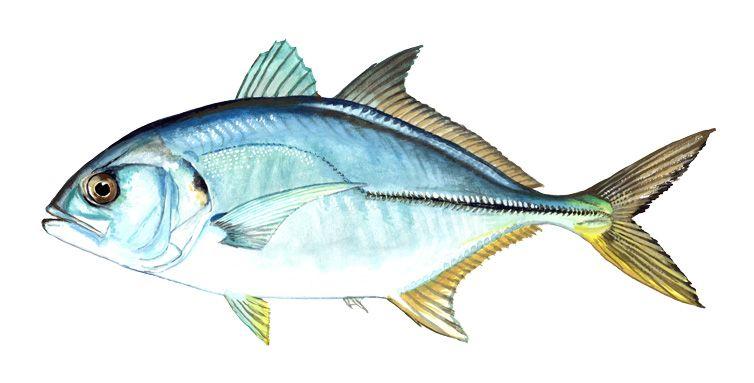
Blue Runner Overview
The Blue Runner (Caranx crysos) is a spirited member of the jack family, Carangidae, belonging to the order Perciformes. Known by several colorful aliases—Egyptian scad, hardtail jack, green jack, and hardnose—this fish is a favorite among both commercial fisheries and recreational anglers. What makes the Blue Runner stand out is its combination of speed, strength, and widespread availability along Atlantic and Mediterranean coastlines. Whether you're a seasoned angler in Florida or exploring coastal waters near Nova Scotia, encountering a Blue Runner is a thrilling experience that showcases the raw power these jack family members are famous for.
Blue Runner Habitat and Distribution
Blue Runners thrive in tropical and temperate waters across the Atlantic Ocean and Mediterranean Sea. You'll find them abundantly from the Gulf of Mexico all the way up to Nova Scotia in Canada, with strong populations along western African and European coastlines as well as Central American shores. These fish are semi-pelagic, meaning they inhabit both inshore reefs and the upper slopes of deeper reefs—though some remarkable specimens have been discovered in extremely deep waters reaching 2,500 meters. Young Blue Runners tend to venture further offshore than their adult counterparts, who prefer to stay closer to inshore habitats. Whether you're fishing shallow coastal waters or venturing to reef systems deeper than 100 meters, there's a good chance you'll encounter these versatile hunters.
Blue Runner Size and Weight
Blue Runners are moderately sized members of the jack family, typically ranging from 13 to 28 inches in length and weighing between 5 to 11 pounds on average. While they may not be the giants of the Carangidae family, their compact, muscular build packs surprising strength—something every angler who's tangled with one will attest to. Their elongated bodies with slightly pointed snouts and forked tails make them instantly recognizable, especially when you spot that distinctive black spot on their gill cover or the black tips adorning their tail fins. The shiny, scale-covered body gleams with colors ranging from olive or bluish-green to silvery grey, with a striking golden belly that catches the light beautifully.
Blue Runner Diet and Behavior
Blue Runners are aggressive predators with voracious appetites, hunting small fishes in inshore waters along with shrimps, crabs, and other crustaceans. Lobsters and even jellyfish make their menu, showing these fish aren't picky eaters when hunger strikes. Juvenile Blue Runners have slightly different tastes, preferring zooplankton as they grow and develop their predatory instincts. Their teeth are notably fearsome—the upper jaw sports a series of irregularly-shaped canines, while the lower jaw features a single row of small, sharp teeth designed for gripping slippery prey. This predatory nature makes them excellent bait for larger game fish, though catching Blue Runners themselves requires skill and respect for their strength. They school in groups, creating dynamic hunting patterns that can be mesmerizing to observe, whether from a boat or while snorkeling in reef environments.
Blue Runner Seasonal Activity and Peak Fishing Times
Blue Runners can be caught year-round, which is one of their most appealing characteristics for anglers planning fishing trips. However, seasonal peaks vary by location. In northwest Florida, October marks an exceptional window for encounters, while other habitats see their most active periods from January through August. This extended season means you can plan Blue Runner expeditions across multiple months without missing prime conditions. Their movements seem tied to water temperature and food availability, so checking local reports before heading out will help you time your adventure perfectly. Cooler months may push them slightly deeper, while warmer seasons see them more active in shallower, inshore zones where they're easier to locate and target.
Blue Runner Techniques for Observation and Capture
Hook and Line Method: This is the gold standard for landing Blue Runners. Use a tough main line capable of handling their impressive strength and speed—they'll test your drag system immediately upon hookup. A weight of at least 2 ounces will help you reach them, especially if they're holding deeper. Cast near chum lines and keep fresh bait in the water; mackerel, shrimp, and squid are excellent choices that consistently attract their attention. Around the coasts of Florida, this method works exceptionally well from both charter boats and private vessels in waters ranging from 20 to 100+ meters deep.
Rig Fishing: For a more hands-off approach, deploying rigged baits allows you to cover more water and wait for fish to find you. Multiple hooks on a single rig can increase your odds, and the added weight helps you reach deeper reef structures where mature Blue Runners often hold. This technique pairs well with chumming, which creates a scent corridor leading fish directly to your offering.
Live Bait Casting: If you can source live baitfish—particularly small mullet or sardines—casting them near structure or current breaks near reef edges can trigger explosive strikes. Blue Runners are attracted to the natural movement and vibrations of live bait, making this an exciting method that often rewards your efforts with heart-pounding action. Early morning or late afternoon sessions tend to produce best results.
Blue Runner Culinary and Utilization Notes
Blue Runners hold significant commercial value, appearing regularly in fish markets throughout coastal regions. They're highly edible with average flavor profiles—firm, white flesh that takes well to grilling, frying, or baking. Nutritionally, they're a solid source of lean protein and omega-3 fatty acids, making them a sustainable choice for seafood lovers. Beyond the dinner table, their true worth to many anglers lies in their utility as bait for premium game fish like tarpon, grouper, and large snapper. Their affordability and abundance make them an economical bait option, and their natural coloring and movement in the water are irresistible to larger predators. Whether you're planning a culinary adventure or stocking a live well for a bigger hunt, Blue Runners deliver value on both fronts.
Blue Runner Frequently Asked Questions
Q: What is the best bait for catching Blue Runners?
A: Mackerel, shrimp, and squid are proven winners. Fresh-caught mackerel is particularly effective due to its scent dispersal in the water column. Cast near chum lines or structure, and be ready for aggressive strikes—these fish don't hesitate when they're interested.
Q: Where can I find Blue Runners near the Florida coast?
A: Blue Runners are abundant throughout Florida's coastal waters, from the Gulf of Mexico to Atlantic reefs. October is peak season in northwest Florida, but you'll find them year-round in inshore structures, reef edges, and offshore deeper zones. Charter captains can guide you to current hotspots based on recent activity.
Q: Are Blue Runners good to eat?
A: Yes, they're considered average-quality food fish with firm, white flesh suitable for various cooking methods. While not gourmet fare, they're nutritious, affordable, and widely available in markets. Many anglers prefer to use them as bait for larger species rather than targeting them for the dinner table.
Q: When is the best time to catch Blue Runners?
A: Year-round fishing is possible, but peak seasons vary by region. October is excellent in northwest Florida, while January through August sees peak activity in other habitats. Early morning and late afternoon typically produce the most aggressive feeding and strikes.
Q: Why are Blue Runners so hard to catch if they're so abundant?
A: Their strength and speed make landing them challenging despite their eagerness to bite. They have powerful runs and can break light line or bend inadequate rods. Using heavy enough main lines and proper drag settings is essential for success.
Q: Can I use Blue Runners as live bait?
A: Absolutely. Their natural appearance, movement, and scent make them excellent live bait for tarpon, large grouper, snapper, and other predatory species. Many anglers consider them superior to other jack family members for this purpose due to their availability and durability in the water.

Spanish Mackerel Overview
The Spanish Mackerel (Scomberomorus maculatus) is a highly prized member of the Scombridae family within the order Perciformes, and it stands out as one of the ocean's most exhilarating game fish. Known for its sleek, silvery body adorned with distinctive yellowish oval spots and a dark greenish back, this species is instantly recognizable to anglers and seafood enthusiasts alike. What really sets the Spanish Mackerel apart is its incredible speed—clocking in at an average of 5.5 meters per second, making it one of the fastest swimmers in the ocean. Whether you're fishing off the coast of Florida or exploring the Gulf of Mexico, encountering a school of these magnificent fish is an unforgettable experience that combines excitement, challenge, and culinary reward.
Spanish Mackerel Habitat and Distribution
Spanish Mackerels thrive in tropical and subtropical waters throughout the Atlantic Ocean, Gulf of Mexico, and along both coasts of Florida. These fish are highly migratory, traveling seasonally from the northern Atlantic coast down to Mexico during winter months, and they can be found in virtually every ocean on the planet. They prefer areas with structures—whether offshore reefs, nearshore flats, oyster bars, or jetties—where they can hunt and school effectively. In warmer months, schools tend to move closer to shore, making them accessible to surf and pier fishers, while cooler seasons push them into deeper offshore waters. The species thrives in both open waters and coastal environments, making them versatile targets for different fishing approaches and experience levels.
Spanish Mackerel Size and Weight
Spanish Mackerels are relatively fast-growing fish, reaching full maturity in just two years. A typical adult specimen measures between 20 to 24 inches in length and weighs approximately 8 to 11 pounds. However, these fish can grow substantially larger under ideal conditions. The species regularly reaches sizes of 2 to 3 feet in length, with specimens weighing well over 30 pounds being fairly common among dedicated anglers. The largest Spanish Mackerel ever officially recorded measured just over 6 feet long and weighed approximately 120 pounds—a remarkable catch taken from the waters off Fraser Island, Australia. For most recreational fishing outings, expect to encounter fish in the 2 to 4-pound range, though larger specimens are always a thrilling possibility, especially when targeting schools in prime offshore locations.
Spanish Mackerel Diet and Behavior
As carnivorous predators, Spanish Mackerels are aggressive hunters with diverse appetites. They primarily feed on herring, menhaden, sardines, mullet, needlefish, and anchovy, but they'll also opportunistically consume shrimp, crabs, and squid when available. Their feeding behavior is characterized by lightning-fast strikes and explosive surface activity, especially when schools are actively hunting baitfish. These fish are highly social and often swim in large, coordinated schools that can stretch up to 20 miles in length—a sight that gets anglers' hearts racing. Their aggressive nature makes them exciting to target, as they respond enthusiastically to both live bait and artificial lures. Spanish Mackerels can live up to 25 years in the wild, providing experienced fish populations that know how to evade capture and deliver memorable battles on the line.
Spanish Mackerel Spawning and Seasonal Activity
Spanish Mackerels spawn during warmer months, with females releasing between 500,000 to 1.5 million eggs throughout the spawning season. The eggs are buoyant due to oily drops within them, allowing them to drift with ocean currents until fertilized by sperm released by males. Seasonal migration patterns are pronounced in this species: during winter, populations move southward toward Mexico and deeper waters, while spring and summer see them returning northward and moving closer to coastal areas. This predictable seasonal movement allows anglers to plan fishing trips strategically. In warmer weather, schools position themselves in shallower waters near shore, creating excellent opportunities for beach, pier, and jetty fishing. Conversely, winter fishing often requires offshore ventures into deeper waters where larger, more mature fish congregate.
Spanish Mackerel Techniques for Observation or Capture
Offshore Trolling and Drifting: One of the most effective methods for targeting Spanish Mackerels is trolling or drifting on boats through open water structures where schools congregate. Look for bait activity on the surface, diving birds, or use a fish finder to locate schools. Approach slowly and quietly to avoid spooking the fish, then present heavy metal lures or shiny spoons at varying depths. Use a medium 7 to 8-foot rod with 12-20 pound braided line and 1/0-2/0 circle hooks. Live bait such as sardines, mullet, minnows, or greenbacks presented on appropriate-sized hooks work exceptionally well.
Nearshore Casting Around Structures: For anglers based near shore, targeting Spanish Mackerels around oyster bars, flats, and nearshore structures yields consistent results. Cast heavy metal lures, shiny spoons, or plastics with jig heads toward structure edges and retrieve with medium-to-fast action to trigger strikes. Light to medium spinning tackle works perfectly for this approach. Around coastal areas like Florida's Gulf Coast and Atlantic shores, early morning hours and the hour before sunset often produce the most active feeding windows.
Surf, Pier, and Jetty Fishing: During warmer months when schools move into shallower waters, surf fishing from beaches, piers, and jetties becomes highly productive. Cast spoons and jigs into areas where baitfish are active, or use live-bait fishing with shrimp and small fish. Stay mobile along piers and jetties to locate actively feeding schools. Around popular fishing destinations, experienced anglers recommend fishing the deeper drop-offs near jetties where Spanish Mackerels often patrol. These locations provide excellent opportunities for even novice anglers to experience the thrill of hooking into a fast, powerful fish.
Spanish Mackerel Culinary and Nutritional Notes
Spanish Mackerel is widely considered excellent eating with a mild, not-overly-fishy flavor that appeals to diverse palates. The flesh is both flaky and tender, offering remarkable versatility in the kitchen. It can be grilled, baked, smoked, fried, steamed, or poached, making it suitable for numerous cuisines and cooking styles. The fish is particularly popular in Japan and other countries as a premium sushi ingredient, prized for its quality and flavor. Nutritionally, Spanish Mackerel is a powerhouse—packed with omega-3 fatty acids and high-quality protein that support heart health, reduce inflammation, and provide sustained energy. A single serving delivers significant percentages of daily recommended values for essential nutrients. Beyond its culinary appeal, Spanish Mackerel has become increasingly valued in sustainable seafood discussions, particularly as fishing regulations and catch limits have helped restore populations after decades of heavy commercial fishing.
Spanish Mackerel Frequently Asked Questions
Q: What is the best bait and tackle setup for Spanish Mackerel fishing?
A: For optimal results, use medium 7 to 8-foot spinning rods with 12-20 pound braided line and 1/0-2/0 circle hooks. Live bait such as sardines, mullet, minnows, greenbacks, and live shrimp are highly effective, as are cut bait like squid. For artificial lures, focus on heavy metal spoons and shiny lures that create vibration and flash to attract aggressive strikes. Plastics rigged on jig heads also produce consistent results.
Q: Where can I find Spanish Mackerel near the Florida coast?
A: Spanish Mackerel are abundant throughout Florida's Atlantic and Gulf coasts, particularly around structures like oyster bars, jetties, and offshore reefs. During warmer months, check nearshore flats and beaches where schools move into shallower waters. Offshore, look for bait schools and diving birds that indicate feeding activity. Local fishing reports and guides can pinpoint current hotspots, as schools migrate seasonally through predictable routes.
Q: Is Spanish Mackerel good to eat?
A: Absolutely—Spanish Mackerel is considered excellent eating with mild flavor and flaky, tender texture. It's versatile enough to be grilled, baked, smoked, fried, or enjoyed raw as sushi. The fish is rich in omega-3 fatty acids and protein, making it as nutritious as it is delicious. Many seafood enthusiasts rank it among their favorite fish for both restaurant preparation and home cooking.
Q: When is the best time to catch Spanish Mackerel?
A: Spring through early fall offers peak activity, with summer providing the most consistent action as schools move into shallower coastal waters. Early morning and evening hours typically produce more aggressive feeding. Winter fishing is possible but requires offshore ventures, as populations migrate southward and into deeper waters. Water temperature and seasonal migration patterns drive availability, so checking local conditions before planning a trip ensures the best odds of success.
Q: How fast is a Spanish Mackerel, and how does that affect fishing?
A: Spanish Mackerels are among the ocean's fastest fish, averaging 5.5 meters per second, which translates to explosive, thrilling strikes and hard-fighting battles. Their speed means they hit lures and bait aggressively and require responsive rod work to set the hook effectively. Use fast-action rods and stay alert—misses happen quickly with this species, but successful hookups deliver one of freshwater and saltwater fishing's most rewarding experiences.
Q: Are there regulations for Spanish Mackerel fishing?
A: Yes, fishing regulations are in place to protect Spanish Mackerel populations and ensure sustainable fishing. Minimum size restrictions apply in both Atlantic and Gulf of Mexico waters, with catch limits divided between commercial and recreational fishers. These regulations, implemented after overfishing reduced populations significantly, have been highly successful in restoring fish numbers. Always check current local and state regulations before fishing, as rules vary by region and change seasonally.